கபாலீச்சுரம் கோவிலின் புராதன வரலாற்று விளக்ககூட்டம் (31-07-2010 மாலை 7 மணி): மாலை ஆறுமணிக்கு போலீஸாரின் எண்ணிக்கையும், அங்கு கூட்டத்திற்கு வந்திருந்த எண்ணிக்கையும் சமமாக இருந்தது. ஒரு வயதான போலீஸ்காரர் ஆறு பெண் போலீஸார், கூட்டத்தை ஏற்பாடு செய்தவர்களிடம் சகஜமாகப் பேசிக்கொண்டிருந்தனர். பிறகு 7 மணி அளவில் 20 பேர் வந்திருப்பர். அவர்கள் நாற்காலிகளில் உட்கார்ந்து கொண்டனர். 20 பேர் தெருவின் ஓரத்தில் நின்று கொண்டிருந்தனர். பாரதீய ஜனசக்தி, சிவசேனா, இந்து மக்கள் கட்சி, ராம்சேனா, ருத்ரசேனா என்ற பல அமைப்புகளின் சார்பாக நடந்த பொதுகூட்டத்தில், முக்கியமாக புராதனமாக பல்லவர்கள் காலத்திலிருந்த கபாலீச்சுரம் கோவில் முன்பு கடற்கரையில் இருந்தது என்பதற்கான நாயன்மார்களின் பாசுரங்களிலிருந்து குறிப்புகள் கொடுக்கப்பட்டன.

இரா.தங்கராசு, பாரதிய ஜனசக்தி
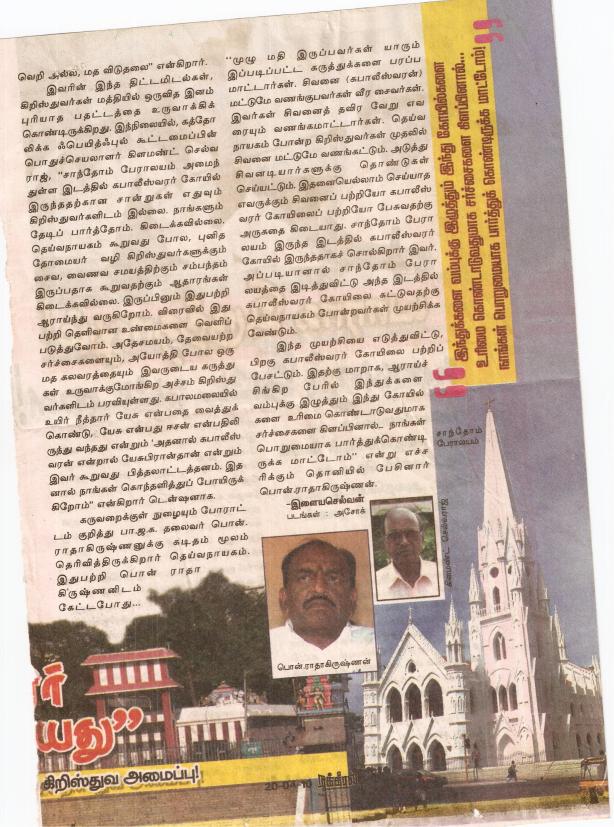
கபாலீச்சுரம் கோவிலின் புராதனத்தை ஏன் இப்பொழுது திடீரென்று விளக்கவேண்டிய அவசியம் என்ன? திடீரென்று கபாலீச்சுரம் கோவிலின் புராதனத்தை ஏன் இப்பொழுது விளக்கவேண்டிய அவசியம் ஏற்பட்டது என்றால், சமீபத்தில் மே-ஜூன் மாதங்களில் கிருத்துவர்கள்-நாத்திகர்கள் சேர்ந்து, இப்பொழுதுள்ள கபாலீஸ்வரர் கோவிலில் நுழைவோம்[1], கருவறையில் புகுவோம், உள்ளேயிருக்கின்ற லிங்கத்தைத் தொட்டு வழிபடுவோம் என்றால் கலாட்டா செய்ததுடன், இரண்டு ஆண்டுகளாக (நவம்பர் 2008) கோவிலுக்கு முன்பாகவே, கிருத்துவ பிரச்சார துண்டு பிரசுரங்களை கோவிலுக்கு வருபவர்களிடம் விநியோகம் செய்து வந்துள்ளனர்[2]. இதற்கு காரணம் யார் என்றால், தெய்வநாயகம் என்ற கிருத்துவர். இவருக்கு கத்தோலிக்க பிஷப்புகள் 1970களிலிருந்து தொடர்ந்து உதவி செய்து வருகிறார்கள். இப்பொழுது அவர்களின் கவனம் ஏன் கபாலீஸ்வரர் கோவிலின் மீது திரும்பியுள்ளது என்பதுதான் புதிராக உள்ளது.

ருத்ரசேனா பொதுக்கூட்டம்
அனுமதியளிக்க போலீஸாரின் அலைக்கழிப்பு: பாரதீய ஜனசக்தியின் தங்கராசு பேசும்பொது, இக்கூட்டத்திற்கு அனுமதி பெறுவதற்காக, பலமுறை மைலாப்பூர் சரக உதவி ஆணையாளர் திரு. ஐஸக் பால்ராஜ் பூபதி என்பரிடம் செல்லவேண்டியாதியிற்று, எப்படி கடந்த 24ம்தேதியன்றே, இக்கூட்டம் நடந்திருக்கவேண்டும், ஆனால், கூட்டத்திற்கு அனுமதி ஏன் மறுக்கக்கூடாது என்று இரண்டு நாட்களில் விளக்கம் அளிக்குமாறு நோட்டீஸ் கொடுக்கப்பட்டு, மறுக்கப் பட்டது. அதுமட்டுமல்லாது, “புராதன கபாலீச்சுவரம் கோவில் மீட்புக்குழு” என்ற பெயரில் அனுமதி கேட்டால் கொடுக்கப்படாது என்றும் கூறப்பட்டது. இதனால், “ருத்ரசேனா” என்ற பெயரில் மறுபடியும் அனுமதி கோரப்பட்டது. மறுபடியும், இரண்டு-மூன்று முறை வரவழைத்து, விளக்கம் கேட்டு, கோவிலைப்பற்றிப் பேசக்கூடாது என்றெல்லாம் வலியுறுத்தப்பட்டது. அதுமட்டுமல்லாது அத்தகைய சரத்துகளுடந்தான் எழுத்துமூலம், அனுமதியும் கொடுக்கப்பட்டுள்ளதாம்.

மாலங்கன், ருத்ரசேனா
கூட்டத்திற்கு அனுமதி கொடுக்கப்பட்டது ஆனால் ஒன்றும் பேசக்கூடாது: கபாலீச்சுரம் கோவிலின் புராதன வரலாற்று விளக்ககூட்டம் எனும்போது, கோவிலைப்பற்றி, கோவிலின் சரித்திரத்தைப் பற்றி, சரித்திரச் சான்றுகளைப் பற்றி, இலக்கிய, அகழ்வாய்வு, கல்வெட்டு, நாணவியல் முதலியற்றைப் பற்றி எப்படி பேசாமல் இருக்கமுடியும். கூட்டத்திற்கு அனுமதி கொடுக்கப்பட்டது ஆனால் ஒன்றும் பேசக்கூடாது என்பது போல இப்படி ஒரு அதிகாரி கொடுப்பது வியப்பாக இருக்கிறது.

கூட்டத்தின் ஒரு பகுதி
பேசியதில் முக்கியமான விவரங்கள்: இவர்கள் பொதுவாக பேசிய விவரங்களை, இங்கேயும் காணலாம்:
வேதபிரகாஷ், கபாலீஸ்வரர் கோவிலே சொல்கிறது, முன்பு தான்கடற்கரையில் இருந்ததாக!
http://thomasmyth.wordpress.com/2010/01/28/கபாலீஸ்வரர்-கோவிலே-சொல்க/
வேதபிரகாஷ், கபாலீஸ்வரர் கோயிலை இடித்தக் கயவர்கள் – கிருத்துவர்கள் ஆடும் ஆட்டம்!
http://thomasmyth.wordpress.com/2010/04/19/கபாலீஸ்வரர்-கோவிலை-இடித்/
வேதபிரகாஷ், தாமஸ் கட்டுக்கதை,http://thomasmyth.wordpress.com/2009/12/11/தாமஸ்-கட்டுக்கதை/
வேதபிரகாஷ், கபாலீஸ்வரர் கோவிலுக்குள் நுழைவோம் என்றுவந்த கூட்டமும், அதன் பின்னணியும்,http://christianityindia.wordpress.com/2010/06/16/கபாலீஸ்வரர்-கோவிலுக்குள/
வேதபிரகாஷ்,ஆர்ச் பிஷப் – சின்னப்பா, தெய்வநாயகம்,செபாஸ்டியன் சீமான், நெடுமாறன்: இப்பொழுதைய கூட்டின்பின்னணி என்ன? (2),http://christianityindia.wordpress.com/2010/06/15/ஆர்ச்-பிஷப்-சின்னப்பா-தெ-2/
வேதபிரகாஷ், மேரியைக் கட்டிப் பிடித்துக் கொண்டு வழிபாடுசெய்கிறோம்!,http://christianityindia.wordpress.com/2010/06/14/மேரியைக்-கட்டிப்-பிடித்த/,
வேதபிரகாஷ், ஆர்ச் பிஷப் – சின்னப்பா, தெய்வநாயகம்,செபாஸ்டியன் சீமான்: இப்பொழுதைய கூட்டின் பின்னணிஎன்ன?,
http://christianityindia.wordpress.com/2010/06/15/ஆர்ச்-பிஷப்-சின்னப்பா-தெ/
வேதபிரகாஷ், தமிழர்சமயம்:கிருத்துவர்கள்நடத்தியமாநாடு, 2008,http://christianityindia.wordpress.com/2010/05/18/கிருத்துவர்கள்-நடத்திய-கிருத்துவர/

கூட்டத்தின் மறுபகுதி
மணி ஒன்பது வரை நடந்த கூடத்திற்கு தொந்தரவு செய்தது மழைதான்: மழை விட்டு-விட்டுப் பெய்தது, ஆனால், பேச்சாளர்கள் அதை பொருட்படுத்தாமல் பேசிக்கொண்டே இருந்தனர். இருந்த அந்த 40 பேர் அப்படியே தெருவோரத்தில் நின்றுகொண்டு கேட்டுக் கொண்டிருந்தனர். மழை விட்டால் வழக்கம்போல நாற்காலிகளில் உட்கார்ந்து கொண்டனர்.

டி.ராஜேஷ், தமிழ்நாடு-சிவசேனா
[1] http://secularsim.wordpress.com/2010/05/05/the-christian-interference-intrusion-and-invasion-of-kapalkeswarar-temple-myalapore-chennai-india/
[2] http://mnachiappan.indiainteracts.in/2008/11/25/m-deivanayagam-ramagopalan-complains-against-him-for-distribution-of-anti-hindu-literature/







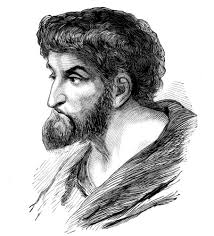 “Hindus will never hear from Christian leaders a sincere confession of wrong doing. What Hindus will hear and see are more spurious histories of St. Thomas and charges of “deicide” by motivated faith writers like Ponnu Elizabeth Mathew and unscrupulous newspaper editors like Aditya Sinha and Manoj Kumar Sonthalia. It is a crying shame and a sad testimony to what India has not gained after sixty years of independence–that is, independence from an imperialist Roman Catholic Church and its soothsayers in the English-language media.” – IS
 Sixty years after Independence, a great newspaper, The New Indian Express, lies dying in Mount Road, brought low by unprincipled editors and an indifferent owner. [1] The editors believe that cultivating religious superstitions and caste prejudice will raise readership and save their power positions. They are unscrupulous, no different than the criminal and communal politicians who sit in our Indian legislatures. But Aditya Sinha and Manoj Kumar Sonthalia, try as they might, have lost the race for subscriptions.

 All these pious items of fable and romance would be of no account except that the legend carries at it heart a vicious communal tale of harassment and murder. St. Thomas, according to Ponnu Elizabeth Mathew, “…lived in hiding [at Little Mount] before he was slain by Raja Mahadevan, the leader on Mylapore, [on Big Mount].” Other versions of the Portuguese fable target Brahmins as the assassins of the apostle. The charge is false and deeply offensive to Hindus, and this has been brought to the attention of The New Indian Express editors years ago, when they were challenged about other stories of St. Thomas they had published and presented to readers as Indian history. On 29 June 2004, we wrote to the editor as follows:

 It must also apologise for the destruction of Hindu temples that started with the criminal Francis Xavier in the 16th Century and goes on till today in remote tribal areas, for the Inquisition in Goa that killed tens of thousands of innocents, for conversions made by force or inducement, and for the continued maligning of Hindu society and religion that takes place in churches outside of India by Indian Christian priests on tour. An eminent Hindu scholar no less than Arun Shourie has called for such an apology in his book Missionaries in India: Continuities, Changes, Dilemmas. He writes:

%20-%20Tiruvalla.jpg "His Beatitude Moran Mor Baselios Cleemis Thottunkal CBCI Vice President II")
 Hindus will never hear from Christian leaders a sincere confession of wrong doing. What Hindus will hear and see are more spurious histories of St. Thomas and charges of “deicide” by motivated faith writers like Ponnu Elizabeth Mathew and unscrupulous newspaper editors like Aditya Sinha and Manoj Kumar Sonthalia. It is a crying shame and a sad testimony to what India has not gained after sixty years of independence–that is, independence from an imperialist Roman Catholic Church and its soothsayers in the English-language media.
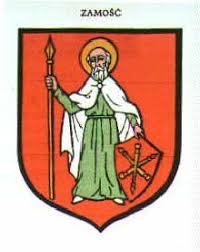 Saint Thomas


 It is not clear why the newspaper gave her space to blow pious bubbles, though soft-soaping the religious minorities is the accepted practice in India’s English-language press. Even so,


 Father Lawrence says the post is believed to be from that same log of wood. Though there is another story that the post comes from the chapel that St. Thomas built in 74 A.D.
 Father Lawrence and his reporting scribe Susan Muthalaly are speaking out of both sides of their mouth. According to them, the story of St. Thomas and his miraculous log of wood is true and not true at the same time. Of course, it is not true as they both very well know but are unwilling to say as faithful Christians.
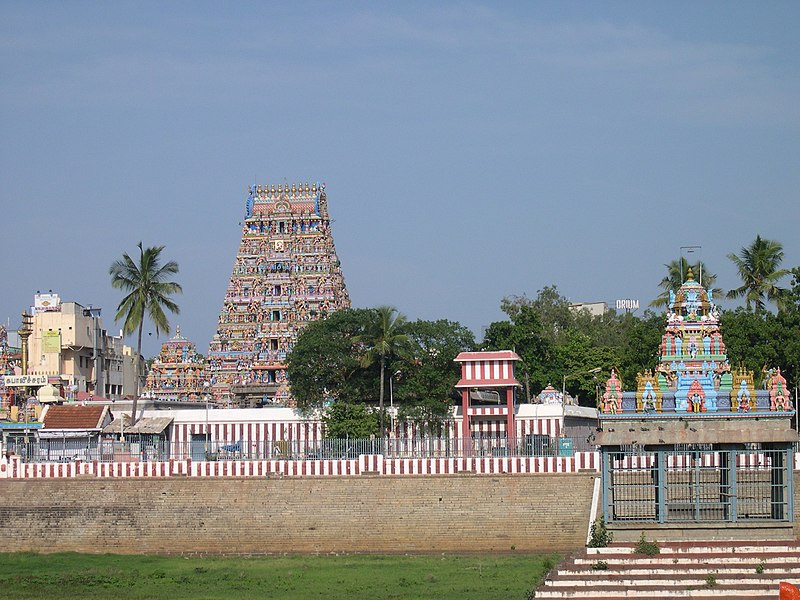
 Apropos the article “The Santhome miracle” (TNIE, Jan. 4), Santhome Cathedral and Bishop House stand on the site of the original Kapaleeswara Temple which was destroyed in 1566 by the Portuguese. This site is the highest point on the Mylapore beach and is naturally protected from sea surges, Dr, R. Nagaswami, former director of the Tamil Nadu Department of Archaeology, has written:
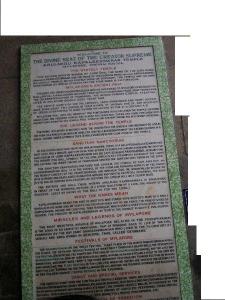
 “The most important Kapaleeswara Temple lost all its ancient building during the Portuguese devastation and was originally located by the Santhome Cathedral. A few Chola records found in the Santhome Cathedral and Bishop’s House refer to Kapaleeswara Temple and Poompavai. A Chola record in fragment found on the east wall of the Santhome Cathedral refer to the image of Lord Nataraja of the Kapaleeswara Temple.” And, “A 12th century Chola record in the Santhome Cathedral region, refers to a Jain temple dedicated to Neminathaswami,”
 This letter was not published in
  hiding behind the skirts of philosophy—Indian editors who have read a book or two take refuge in philosophy when they do not want to take responsible action. We also pointed out that Santhome Cathedral Basilica was a monument to religious bigotry not a house of miracles.







 Bishop Medleycott is the godfather of Thomas-in-India scholarship in India, and even in his day he was accused of working under religious, racial, regional, political, and linguistic influences. He was the Vicar Apostolic of Trichur from 1887 to 1896, the diocese in which the alleged landing place of St. Thomas, Kodungallur, is located, and was the first European missionary bishop to be appointed by Rome to rule over the local Syrian Christian community. This community existed in a forgotten Kerala backwater that was overshadowed by San Thome at Mylapore, and Bishop Medleycott had a mandate – or believed he had a mandate – to raise Kodungallur’s status and prepare the ideological ground for the apostle’s “return”.
 But Bishop Medleycott’s victory went further. He got himself named as the St. Thomas authority in the prestigious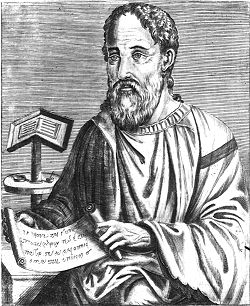



 We then set to work on the WikipediaThomas the Apostle article adding verifiable references and short sections with citations. Every statement we made was supported with an authoritative reference from a recognized historian of Christianity. We were very careful not to delete any material already posted on the page or refer to the demolition of the Kapaleeswara Temple in Mylapore by the Portuguese. However, as our contribution progressed, Mylapore did come into the picture and we introduced it with a reference to Swami Tapasyananda of the Ramakrishna Math in Mylapore and the article he had written in Vedanta Kesaricalled
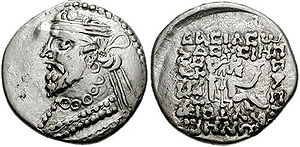
.jpg "King of Mylapore: There is no record that Mylapore ever has had a king other than Lord Shiva Himself.") The concocted absurdities found in theWikipedia Thomas the Apostle article today, which lacks citations and references that stand up to scrutiny, can be exposed with a single example: the statement in the Thomas and India subsection of the article says that the king who executed Judas Thomas for sorcery and crimes against women, Mazdai (Misdaeus in Greek), was “the local king at Mylapore”. This is a preposterous statement. The name Mazdai (or Masdai) is Persian and specifically identifies a person who is Zoroastrian by religion.
The concocted absurdities found in theWikipedia Thomas the Apostle article today, which lacks citations and references that stand up to scrutiny, can be exposed with a single example: the statement in the Thomas and India subsection of the article says that the king who executed Judas Thomas for sorcery and crimes against women, Mazdai (Misdaeus in Greek), was “the local king at Mylapore”. This is a preposterous statement. The name Mazdai (or Masdai) is Persian and specifically identifies a person who is Zoroastrian by religion. 
 The fabulous and false “facts” about St. Thomas and India found in the Encyclopaedia Britannica and its Internet sister Wikipedia make the ancient Greek historian and geographer Strabo into a prophet (he was a contemporary of Jesus and Thomas). He said, “Generally speaking the men who have written on India were a set of liars.” And so it is with the contributors to the mainstream encyclopedias and dictionaries that reference Indian history today.
 Falsely accusing the native Hindus population of an ancient India that gave 4th century Syrian Christian refugees from Persia funds and land to build churches, with the murder of their patron saint Mar Thoma, certainly falls into the category of “intemperate vomit of false witness, hatred, and uncharitableness”. Christians are perceived to be an educated and modern secular community, but we see from their fabricated encyclopedic writings on St. Thomas (many of which have appeared after the publication of our 1991 essay) that they are the most superstitious of Indian communities with an obsessive allegiance to an authoritarian and very corrupt medieval Indian church.
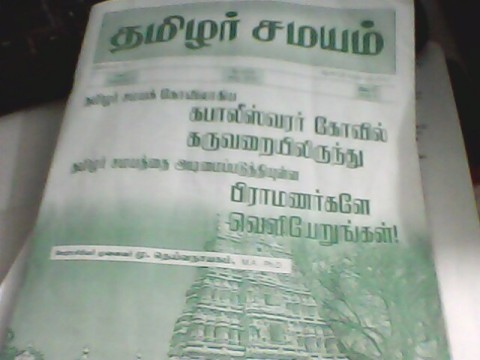
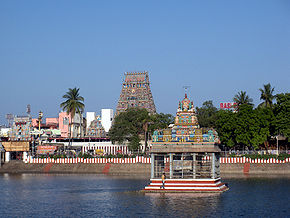 சைவ மதத்தினர் போற்றிப் புகழும் திருத்தலம் மயிலை கபாலீஸ்வரர் கோயில். ஆனால் இந்தக் கோயில் புனித தோமையர் வழி வந்த தமிழ் கிறிஸ்துவர்களுக்கே சொந்தமானது. அதனால் கபாலீஸ்வரர் கோயில் கருவறையிலிருந்து பிராமணர்கள்……………]
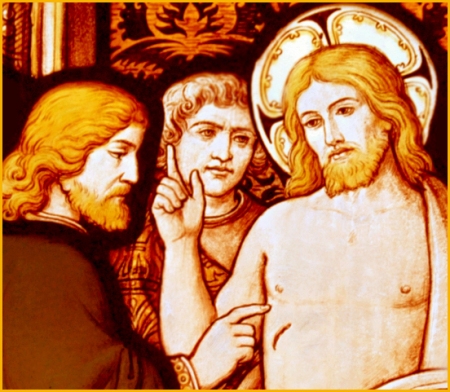
 1923இல் தொல்பொருள் ஆய்வுத் துறையினர் சாந்தோம் கதிட்ரலில் நிகழ்த்திய அகழ்வாராய்ச்சிகளால்கல்வெட்டுகளும், தூண்களும், சிலைகளும் கண்டெடுக்கப்பட்டன. கல்வெட்டுகள் சிவன் கோயிலைக் குறிக்கின்றன. கற்றூண்களிலும் கல்வெட்டுகள் காணப்பெறுகின்றன. மயிலோடு கூடிய முருகர் சிலையும் கண்டெடுக்கப்பட்டது. 1921இல் மறைத்திரு ஹோஸ்டன், சாந்தோம் கதிட்ரலில் கண்டெடுத்த வடமொழிக் கல்வெட்டு “கருவறை உட்பட எல்லாக் கட்டிடங்களும் மயிலாப்பூரிலுள்ள புகழ்பெற்ற சிவனுக்கும் பார்வதிக்கும் உரியவையாகும்” என்று குறிப்பிடுபகிறது. மற்றொரு தானக் கல்வெட்டில், “திருமயிலாப்பில் பூம்பாவை” என்று குறிப்பிடுப்படுவதாலும், பழைய கபாலிசுவரர் கோயில் கடற்கரையருகே இருந்திருக்க வேண்டும் என்பது புலனாகிறது.



http://listserv.liv.ac.uk/cgi-bin/wa?A2=ind9906&L=INDOLOGY&P=R5273
Date: Tue, 8 Jun 1999 13:32:54 +0300
Reply-To: Indology
Sender: Indology
From: Klaus Karttunen
Subject: Apostle Thomas again
Content-Type: text/plain; charset=”iso-8859-1″
Dear Colleagues
Sorry that I am rather late wit h my reply. I had to switch my e-mail to a
new machine, and it took some time to have it running again.
As to the question of Ganesan, Cosmas mentions twice, in 3, 65 and 11, 14, Christian communities in South India and Sri Lanka, with a Persian bishop, but he does not mention Thomas’ death. In fact he does not mention Thomas at all, in this I made a mistake. Sorry!
Of course the legend of Thomas’ death near Madras is not true, as I think I made clear in my first message, but it was wise that Bal Prasad did not
vouch for the veracity of his “paraphrase”. Even the names of scholars were wrong: instead of C-J De la Vallee-Poussin and Robert Garbe, Louis de La Vallee-Poussin and Richard Garbe.
As to the Acts of Thomas, it is an apocryphal work, and no more history
than other such legends. This kind of literature is common in many
religions. As far as I know, no serious scholar is taking it as part of the
Bible or as a historical source, although it may contains some points
originating in history (such as the name of Gondophares-Gudhaphar). The
point is that it is a genuine work of the fourth century and can be used as
a source for ideas then current among Christians in the West. It is thus
among the earliest sources locating Thomas’ mission and its end in India.
But as I said, nothing here points to South India, rather to the Indus
country.
I do agree with Bal Prasad that there is no evidence of Thomas having
travelled to India (only the spurious tradition nevertheless much earlier
than the Portuguese), but I wonder, whether he visited Ethiopia and Arabia either. The earliest tradition seems to restrict his travels to Edessa (now Urfa in southeastern Turkey, then a principality under Parthian suzerainty).
Stephens quotes a few “Greek” (mostly Latin) Christian sources on India.
His second extract, Jerome (in Latin) about Pantaenus and Bartholomew hails from the (Greek) Ecclesiastical History of Eusebius (early 4th century).
Many more passages can be found in the old collection by W. R. Phillipps in
Indian Antiquary 32, 1903, 1-15 and 145-160. It shows that it was common
belief in the West since the 4th century (but not earlier) that Thomas went
to India (though not to the South).
As to Mylapore, attempts to identify it with Calamina, the traditional
place given as Thomas’ burial “in India”, do not seem convincing. The first to mention Thomas’ grave in Mylapore is thus Marco Polo (3, 18 in Yule – Cordier) in the 13th century. John of Montecorvino visited a church of Thomas on way to China in 1292, this probably was in the South. In 1345 John of Marignolli, another Catholic envoy to China, also visited Mylapore. Thus the Mylapore tradition was earlier than the Portuguese, although they certainly made much of it.
Michael Rabe asked about the stone cross found near Mylapore. See A. C.
Burnell, Indian Antiquary 3, 1874, 308-316. If anybody knows a more recent source, please inform.
I was afraid that somebody will take up the story of Jesus visiting India.
There are two traditions, both quite recent. One is propagated by the
Ahmadiyyas, another by the Russian charlatan Notovich about hundred years ago. I do not know the German book still defending it, but I think Günter Grönbold, Jesus in Indien. Das Ende einer Legende (Munich 1985) has said everything that is necessary.
There are at least 10 books and some 50-60 articles about Thomas
traditions, but I think my answer is long enough without listing them. I am not theologian and not much interested in history of Christian missions, so I would like to drop the subject now.
Regards
Klaus
Klaus Karttunen
Institute for Asian and African Studies
Box 59, 00014 Helsinki, Finland
tel. +358-9-191-22224, fax. +358-9-191-22094